
Trust Reveal: Why It Misses the Point for Next-Gen
Recent media coverage has highlighted a growing trend: “trust reveal” meetings where heirs learn — sometimes for the first time — that they will inherit a transformative sum of money. These stories capture attention because they dramatize a private moment: adult children called into a room, advisors delivering packets of information, the sudden emotional weight of a life-changing number.
For those of us who work closely with multi-generational families, these scenes tend to reveal something a little deeper. A surprise inheritance usually signals that important conversations were postponed for too long. Preparing the next generation for wealth takes sustained effort and thoughtful sequencing, not a single meeting.
The problem with “Surprise, you’re wealthy”
When heirs encounter wealth with no context, the experience can be disorienting. Suddenly, careers, relationships, and plans all feel subject to reevaluation. Some feel guilt, others feel pressure to avoid making the “wrong” choice, and many feel unprepared for the responsibilities ahead.
Secrecy also shapes the emotional climate long before any official disclosure. Siblings speculate, spouses compare notes, and assumptions fill the gaps. By the time a formal reveal takes place, the room often carries years of unspoken tension.
Wealth transfer as a curriculum, not a moment
At Brighton Jones, next-generation readiness unfolds gradually. The process begins well before asset values or trust mechanics come into play.
Healthy preparation includes:
- Financial literacy taught in small, age-appropriate steps
- Emotional readiness, built through self-awareness, communication skills, and confidence
- Exposure to shared decisions, often through philanthropy or family projects
- Early relationships with advisors, so the next generation knows where to turn for support
This approach may help trust discussions and inheritance planning to land in a grounded way. When the foundation is strong, later conversations feel like a natural progression rather than a sudden disruption.
Each family can make decisions about how transparent they want to be with their children, but the goal is to help each child develop a healthy financial identity, whether or not they know the specifics of the family balance sheet.
Trusts need intention behind them
A trust is a technical instrument, but its meaning comes from the intentions you bring to it.
When we collaborate with families, we begin with purpose: What does this wealth represent? What do you hope it enables? Which values should guide future generations?
These questions often lead to a family purpose or values statement—a narrative that complements the legal documents and helps the next generation understand the spirit behind the structure.
From there, governance becomes essential. Clear roles, communication practices, decision-making processes, and defined expectations provide a shared roadmap for everyone.
Silence often creates more confusion than clarity
Many parents choose not to discuss their estate plans to avoid burdening their children. Yet research consistently shows that a lack of information creates more stress, not less.
Adult children who have only fragmented impressions of family wealth may underestimate their future support and experience unnecessary anxiety about long-term planning. Others may overestimate and delay saving or take on risks that don’t match their actual circumstances. Eventually, a mismatch between expectation and reality can feel destabilizing.
Patterns of gentle, honest communication — built up over many years — allow the next generation to understand their future with confidence. Exact numbers can wait until the time is right, but the conversation should not.
Family conflict rarely comes down to the money itself
Inheritance disagreements often look like debates over assets, but the real tension usually lies beneath — questions of fairness, identity, and long-standing family dynamics. In our Family Office work, most conflicts stem from unclear expectations and the absence of a shared decision-making process, not from the dollar amounts involved.
Regular family meetings, neutral facilitation, and aligned definitions of fairness create the structure families need to navigate these moments with confidence. These practices protect relationships, which almost always matter more than the division of any single asset.
A healthier frame: Stewardship, identity, and purpose
At Brighton Jones, we believe wealth functions best when it supports a meaningful life and reflects a family’s values. Preparing the next generation involves much more than understanding trust provisions. It requires:
- A strong personal identity, separate from family assets
- Skills for making thoughtful financial and life decisions
- Confidence to ask questions and engage in open conversations
- A sense of responsibility and stewardship that grows over time
When these elements are in place, heirs tend to experience wealth not as a burden, but as an opportunity to contribute to something larger than themselves.
Where families can begin
Several early steps may help reshape the way wealth moves across generations:
- Start conversations earlier than you think, but keep them simple and age-appropriate.
- Document the family’s values and intentions alongside its legal structures.
- Introduce children to advisors gradually so trust develops before decisions arise.
- Create opportunities to practice stewardship—for example, by managing a small charitable budget.
- Make family money conversations a recurring practice rather than a one-time event.
These steps strengthen confidence and clarity, reducing the emotional burden that often accompanies large wealth transfers.
Stories about dramatic trust reveals make for compelling headlines, but they rarely reflect the healthiest path for families. Effective generational planning grows through years of communication, shared purpose, and intentional preparation. Families who embrace this approach navigate transitions with more harmony and confidence.
At Brighton Jones, our Family Office team partners with families to replace moments of surprise with enduring clarity, alignment, and connection — so each generation is ready to steward what comes next.
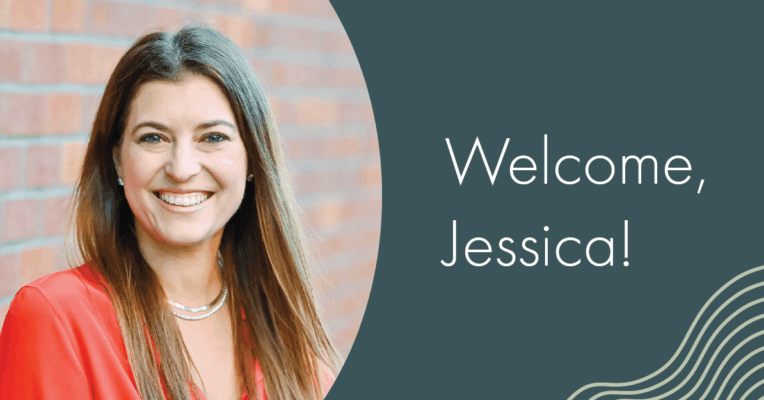
About the author: Jessica Andrews is the General Manager of Lenora Family Office, Multi-Family Office, and Impact at Brighton Jones. She leads Lenora’s work with ultra-high-net-worth families, helping them communicate openly, steward wealth across generations, and direct their resources toward meaningful impact.
This content is for informational and educational purposes only and should not be construed as individualized advice. For individualized advice tailored to your specific circumstances, please consult with your adviser.